Pages

History of Kumbh Mela

History of Kumbh Mela

Filmed across the sacred floodplains of Prayagraj during the 2019 Ardh Kumbh, the documentary takes viewers deep inside this astonishing convergence of faith, mythology and logistics. At the Triveni Sangam, where the Ganga, Yamuna and mythical Saraswati rivers meet, over 240 million people gathered across weeks in one of history’s greatest human events.
Witness the spectacular Shahi Snaan processions, Naga Sadhus covered in ash, Akhaaras, pilgrims, seekers, foreign visitors and extraordinary stories unfolding in the heart of the Mela. From the Khoya Paya lost and found centres to the gigantic temporary city with pontoon bridges, kitchens, security systems and massive crowd management operations, the film reveals the unimaginable scale behind the Kumbh.
The documentary also explores the spiritual heart of the gathering through historians, devotees, ascetics and seekers from across the world — people searching for meaning, salvation, transformation and connection.

"Kalabhairava Ashtakam" With Lyrics


A masterful composition by the revered Adi Shankaracharya, Kalabhairava Ashtakam consists of eight stanzas, a common format of how Sanskrit shlokas are often presented. It exalts the qualities of Kalabhairava, referring to him in each stanza as the glorious one who resides in Kashi, a major holy city in India. Kalabhairava is described as the supreme one whose might and grace can help a person transcend the limitations of both life and death. Even if one does not understand the language, the sounds of the Ashtakam are soothing and uplifting to hear.


This iconic Ashtakam was written by Adi Shankaracharya who was instrumental in disseminating Advaita Vedanta across the Indian subcontinent. He travelled extensively throughout the land, debating and giving discourses wherever he went. Such was his fame and impact on the culture of the time that he has become an indelible icon in the spiritual ethos of the land. Adi Shankaracharya is also credited with organizing the Dashnami monastic order, which still exists as ten akharas or unique spiritual sects. It is said that he authored over 250 different texts on spirituality.
దేవరాజసేవ్యమానపావనాంఘ్రి పంకజం వ్యాలయజ్ఞసూత్రమిందుశేఖరం కృపాకరం నారదాదియోగివృందవందితం దిగంబరం కాశికాపురాధినాథ కాలభైరవం భజే || 1 ||
భానుకోటి భాస్వరం భవాబ్ధి తారకం పరం నీలకంఠమీప్సితార్థదాయకం త్రిలోచనం కాలకాలమంబుజాక్షమక్షశూలమక్షరం కాశికాపురాధినాథ కాలభైరవం భజే || 2 ||
శూలటంకపాశదండపాణిమాదికారణం శ్యామకాయమాదిదేవమక్షరం నిరామయం భీమవిక్రమం ప్రభుం విచిత్రతాండవప్రియం కాశికాపురాధినాథ కాలభైరవం భజే || 3 ||
భుక్తిముక్తిదాయకం ప్రశస్తచారు విగ్రహం భక్తవత్సలంస్థితం సమస్తలోక విగ్రహం వినిక్వణన్మనోజ్ఞహేమకింకిణీలసత్కటిం కాశికాపురాధినాథ కాలభైరవం భజే || 4 ||
ధర్మసేతుపాలకం త్వధర్మమార్గనాశకం కర్మపాశమోచకం సుశర్మదాయకం విభుం స్వర్ణవర్ణశేషపాశశోభితాంగమండలం కాశికాపురాధినాథ కాలభైరవం భజే || 5 ||
రత్నపాదుకా ప్రభాభిరామ పాద యుగ్మకం నిత్యమద్వితీయ మిష్ట దైవతం నిరంజనం మృత్యుదర్పనాశనం కరాళ దంష్ట్ర మోక్షణం కాశికాపురాధినాథ కాలభైరవం భజే || 6 ||
అట్టహాసభిన్నపద్మజాండకోశ సంతతిం దృష్టిపాతనష్టపాపజాలముగ్రశాసనం అష్టసిద్ధిదాయకంకపాలమాలికంధరం కాశికాపురాధినాథ కాలభైరవం భజే || 7 ||
భూతసంఘనాయకం విశాలకీర్తిదాయకం కాశివాస లోకపుణ్యపాపశోధకం విభుం నీతిమార్గకోవిదం పురాతనం జగత్పతిం కాశికాపురాధినాథ కాలభైరవం భజే || 8 ||
కాలభైరవాష్టకం పఠంతి యే మనోహరం జ్ఞానముక్తిసాధనం విచిత్రపుణ్య వర్ధనం శోకమోహదైన్యలోభకోపతాపనాశనం తే ప్రయాంతి కాలభైరవాంఘ్రి సన్నిధిం ధృవం

కొమురవెల్లి శ్రీ మల్లికార్జున స్వామి కల్యాణం

కొమురవెల్లి శ్రీ మల్లికార్జున స్వామి కల్యాణం

The Komuravelli Mallanna Swamy Temple is a Hindu temple located on a hill in Komuravelli village of Siddipet district in Telangana state, India. It is located near Siddipet on SH–1 Rajiv Rahadari. The primary deity is Mallanna or Mallikarjuna Swamy, a form of Shiva. The deity is also called as Khandoba by the Maharashtrian people. The temple is located about 85 kilometers from Hyderabad. In the year 2024, an infrastructure push by the state government laid the Foundation stone for the Komuravelli railway station to ensure easy access to the temple. The station is part of the Kothapalli–Manoharabad line.

ఇస్లాం మతం ఎలా పుట్టింది?

ఇస్లాం మతం ఎలా పుట్టింది?

కొంత మంది మా ధర్మం నాశనం అవ్తుంది అలాంటి నాయకుడు కావాలి లేదా ద్వేష నీ కలిగి ఉన్నారు ఎందుకంటే వారు చేసిన క్యూషన్స్ ఫేస్బుక్ వాట్సాప్ లో దొరికినవి .ఇంకా కొంత మంది ముస్లిమ్ మాత్రమే కాదు ప్రతి వారు కూడా ఇతరుల మతాల గురించి లోపాలు వెతకటానికి సెర్చ్ చేస్తుంటారు హిందులు ముస్లిం లు మిగతా వారు కూడా ..ఏదైనా తెలుసుకోవాలి అంటే వాటి ముల గ్రంథాల లో మనసు పెట్టి చదివితే వాటి గురించి తెలుస్తుంది అవి తెలుసుకోకుండా మూర్ఖత్వం గా ద్వేషం గా ఉండి చూస్తే దేవుడు మిరు ఏది అయితే ఆశిస్తున్నారో అదే దొరుకుతుంది ఒకరి పైన మరొకరు విషం చిమ్ముకుంటూ .సమయాన్ని గడిపేస్తూ ఆచరణ కి దూరం అయిపోతున్నారు ఆచరణ వదిలేసిన నడు వారు వారి ధర్మాన్ని వారే నాశనం చేసుకున్నవారు అవుతారు.

Why Hinduism Over Thousands of Other Religions

Why Hinduism Over Thousands of Other Religions

The origins of Hinduism are deeply intertwined with the cultural, philosophical, and religious evolution of the Indian subcontinent. While pinpointing its exact inception is challenging, scholars often trace the roots of Hinduism to the ancient civilizations of the Indus Valley, around 2500 BCE. However, the foundations of Hinduism as we know it today began to take shape during the Vedic period, which spanned roughly from 1500 BCE to 500 BCE.


Hinduism is a multifaceted Indian religion and philosophy with no single founder, scripture, or set of beliefs. It encompasses a wide range of traditions and practices, including the concept of dharma (cosmic order), karma, and reincarnation, all guided by the principles of righteous living.

Rajiv Malhotra’s important keynote address

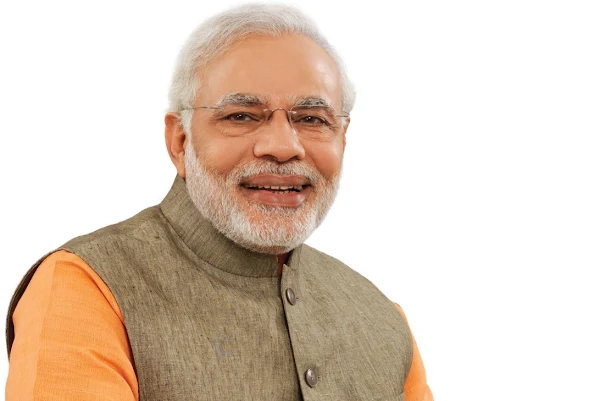
Rajiv Malhotra with Narendra Modi

Rajiv Malhotra is a world renowned researcher, author, speaker, thinker and public intellectual on contemporary issues as they relate to civilization, cross-cultural encounters, spirituality, and science. He studied Physics at St. Stephens College in Delhi and did his post-graduate education in Physics and then Computer Science in the USA. Rajiv has experience in various domains, including as a software development executive, Fortune 100 senior corporate executive, strategic consultant, and successful entrepreneur in the information technology and media industries. At the summit of his career when he controlled 20 technology companies in several countries, he took early retirement at age 44 to focus full-time on philanthropy, research and public service.


He founded Infinity Foundation in Princeton (USA) for this purpose in 1994 and has been its founder-director since inception. Rajiv has conducted original research in a variety of fields and has influenced many thinkers worldwide. He has disrupted the mainstream thought process among academic and non-academic intellectuals alike by providing fresh provocative positions on Dharma and on India. Some of the focal points of his work are: Interpretation of Dharma for the current times; comparative religion; globalization and India’s contributions to the world. He has authored a large number of articles, published 1,000 video lectures and provided strategic guidance to numerous organizations.

Team Infinity Foundation: 25 Year Story


Rajiv Malhotra

Hindu Americans must support Tulsi Gabbard

Tulsi Gabbard

The attack on Tulsi, because she is a Hindu worshipping Sri Krishna, is outrageous. Branding Hinduism as a cult is something the liberal media ought to be ashamed of. #HariHaraVeeramallu,
Rajiv Malhotra's analysis goes into the heart of the present crisis and the leadership required to move forward. I explain how the fundamental American principles are being compromised, and how she is fighting for all Americans.

Many grateful thanks to Mr. Rajiv Malhotra for this pristine discussion about Hinduism, Hindus in in this world and in USA, their contribution to US economy and quality of life, and about Tulsi Gabbard, a soldier, a patriot and a former Congresswoman. She is an inspired soul, and God willing, will succeed. #HariHaraVeeramallu,

Smita Prakash Podcast with Palki Sharma

Palki Sharma

Palki Sharma Upadhyay is a Journalist, works in India's YouTube news channel, Firstpost. Her programs "Flashback" and "Between the Lines" are the big hit, for compressing complicated topic into short and sweet.
Palki Sharma, Network18's Managing Editor, is committed to delivering unbiased news. She is a senior journalist with a keen interest in foreign affairs and aims to provide insightful analysis that presents an accurate representation. Her extensive experience as a TV journalist has provided her with a wealth of knowledge and expertise that she brings to her digital persona at Firstpost. This has made Firstpost a more competitive and powerful platform in a highly competitive space.


Smitha Prakash is the Editor News, at Asian News International (ANI), India’s leading Multimedia News Agency and the India Correspondent for Channel News Asia, a Singapore based broadcaster.
In a journalistic career spanning almost two decades, I have reported for NPR News America, NHK Japan and many other foreign broadcasters on news stories from the field in India. Besides developments from India, be it elections, calamities, political developments, international events or other breaking news stories, this involved covering many of the world’s most dangerous conflicts and devastating events during this period.
Among the several news and current affairs shows that I have anchored across many platforms, Ghoomta Aina on Zee TV and Newsmakers on Doordarshan are still remembered fondly by many viewers. My show “This week in India” was the longest running show on television in South Africa.
Along with the coverage of key events, I have been fortunate to interview many of the world’s top leaders and interesting personalities during my career.

Smita Prakash

Westerners prefer Buddhism over Hinduism

Westerners prefer Buddhism over Hinduism

Rajiv Malhotra explains why most Westerners/leftists are more comfortable with Buddhism rather than Hinduism. Rajiv Malhotra addressed the gathering at Indian Institute of Science on his latest book the Battle for Consciousness theory and also reflected upon his journey in the field of philosophy and science. In an engaging question-and-answer session, Rajiv Malhotra answered some curious and intriguing questions put forth by the audience.

Rajiv Malhotra was trained initially as a Physicist, and then as a Computer Scientist specializing in Artificial Intelligence in the 1970s. After a successful corporate career in the US, he became an entrepreneur and founded several IT companies in over 20 countries.
Rajiv Malhotra website
He exited all for-profit activities in the early 1990s and founded a non-profit – Infinity Foundation (in Princeton, USA), through which he has , on a full-time basis, been researching civilizations from a historical, social sciences and mind sciences perspectiv.

Srisaila Mallikarjuna Suprabhatham by Janaki

Srisaila Mallikarjuna Suprabhatham by Janaki

Sistla Janaki (born 23 April 1938) is an Indian playback singer and occasional music composer from Andhra Pradesh. She is widely referred to as "Janaki Amma" and "Nightingale of South India". She is one of the best-known playback singers in India. She has recorded over 48,000 songs in films, albums, TV and Radio which includes solos, duets, chorus and title tracks in 17 languages including Kannada, Malayalam, Telugu, Tamil, Hindi, Sanskrit, Odia, Tulu, Urdu, Punjabi, Badaga, Bengali, Konkani and also in foreign languages such as English, Japanese, German and Sinhala; the highest number of songs in her career were in Kannada followed by Malayalam. Started in 1957 with the Tamil film Vidhiyin Vilayattu, her career has spanned over six decades. She is referred to as Gaana Kogile in Karnataka, Gaana Kokila in Telugu States and Isaikkuyil in Tamil Nadu.

Srisaila Mallikarjuna Suprabhatham Part II · S Janaki · M Ranga Rao · P B Sreenivas ·

Arunachala Ramanula Vaibhavam by Chaganti

Arunachala Ramanulu


About ten years ago an Australian man at Ramanasramam asked if I would meet with a group of Australian devotees and talk to them about Ramana Maharshi. I agreed, but when I turned up, I discovered that it was going to be a formal interview with him, with the Australian devotees as an audience.
Our dialogue covered a wide variety of topics. Because the interviewer, John David, seemed to have very little knowledge of Bhagavan’s life or teachings, much of the interview was spent correcting many of the wrong ideas he seemed to have. When I read the transcript later, I realised that, serendipitously, this format of going back to basics and correcting his erroneous beliefs had turned the interview into an ideal presentation of the life and teachings of Bhagavan for people who knew little or nothing about them. For years I had it posted on my old site as a recommended read for people who were new to Bhagavan.
When the interview was over, John David told me that he didn’t accept my explanations of Bhagavan’s teachings on the mind. He wanted me to debate them publicly with a western vedantic scholar he knew, but I refused. Instead, I expanded the edited transcript of our conversation by several pages in an attempt to convey a more detailed presentation of what Bhagavan’s teachings on the mind really were.

Forest Creation Series

Chapter 1

At Afforestt, we went open source in 2015 and released textual documentation for all our forests creation projects worldwide. However, soon we realised that not everything could be covered and communicated in text alone. So in 2020, we decided to run a Kickstarter campaign to create video documentation of the methodology in different languages. We are incredibly grateful for the wholehearted support we got from people across the globe. This is the first video tutorial out of the many we will be making and publishing in the future. We have explained the generic methodology of creating forests in these tutorial videos. We believe that if there is any evidence of a forest ecosystem having existed in a particular region, even before humans inhabited it, then we can recreate the same forest ecosystems using this methodology. We hope you like these videos and find them helpful in bringing back our lost forests.
Chapter 2

This video talks about forest surveys and reading the natural landscape. We record natural patterns found in nature and understand the structure of forests, terrain, vegetation types, microhabitats, guilds and species combinations. A forest survey helps us better understand the region and make sense of how they can be mimicked and recreated in the most authentic way while recreating these forests.
Forest survey is not a one-time process. It needs to be a continuous process by visiting the forest in different seasons and building and updating our database. For example, we did this forest survey in August to get a glimpse of how the forest appears during this season.
Chapter 3

This video talks in-depth about how to procure seedlings for our forest by developing seedlings, procuring them from authentic nurseries, or setting up a small nursery ourselves.
We made this video at the Edible Routes foundation Nursery based in Delhi and run by our friends Somil Daga and Fazal Rashid. For more details, visit www.edibleroutes.com.
The procurement of healthy seedlings of various species is vital to creating healthy forests. It is critical that the seeds we procure to grow seedlings are from different mother trees growing in old-growth forests. This will ensure genetic diversity in our forests while making them more resilient and biodiverse.
Chapter 4

This video talks in detail about how to have preliminary checks and to know if our site is ready for creating a forest or not. Before starting any execution and bringing our seedlings on-site, we must do a site readiness check. If followed correctly, execution and ground implementation becomes much smoother.

2024 Ugadi Raasi Phalalu

2024-2025 Raasi Phalalu

Astrology is a pseudoscience that claims to divine information about human affairs and terrestrial events by studying the movements and relative positions of celestial objects. Astrology has been dated to at least the 2nd millennium BCE, and has its roots in calendrical systems used to predict seasonal shifts and to interpret celestial cycles as signs of divine communications.


What is Jyotishya?

Jyotisha or Jyotishya is the traditional Hindu system of astrology, also known as Hindu astrology, Indian astrology and more recently Vedic astrology. The term Hindu astrology has been in use as the English equivalent of Jyotiṣa since the early 19th century, whereas Vedic astrology is a relatively recent term, entering common usage in the 1970s with self-help publications on Āyurveda or yoga. #HariHaraVeeramallu,


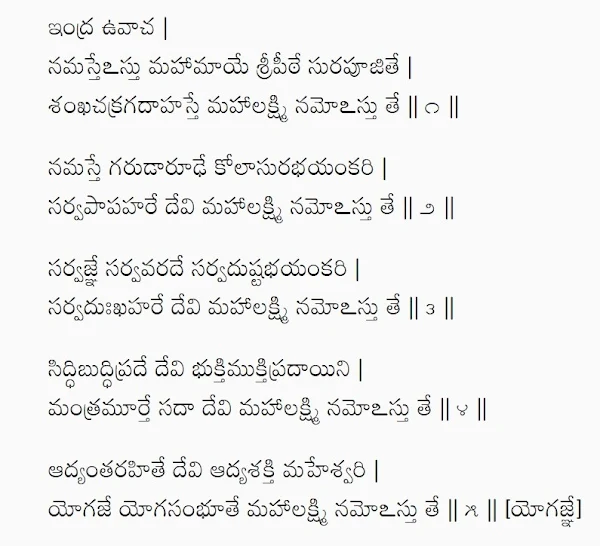
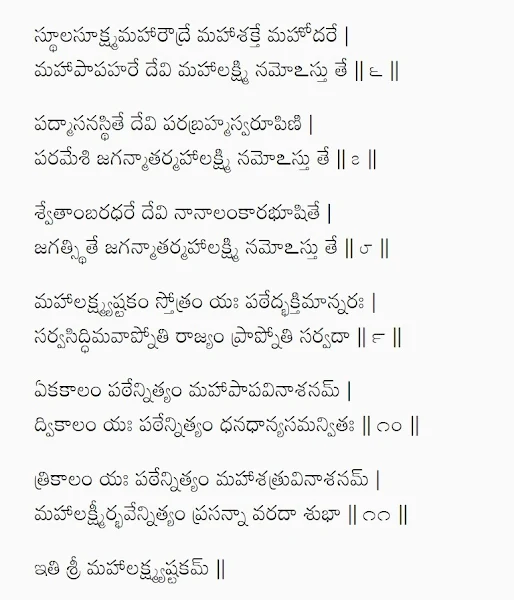
Sri Mahalakshmi Astakam With Telugu Lyrics


Lakshmi or Sri Devi is the consort of Vishnu. She is the Goddess of wealth and prosperity. Wealth includes nobler values of life, power of mind and intellect, moral, and ethical qualities which constitutes the spiritual wealth. The eight forms of Lakshmi, called Ashta-Lakshmi are: Santhanalakshmi (wealth of progeny), Gajalakshmi (wealth of animals), Dhanalakshmi (wealth of gold and other material wealth), Dhaanyalakshmi (wealth of food grains), Veeralakshmi (wealth of valor), Vijayalaksmi (wealth of victories and success), Mahalakshmi (wealth of greatness) and Aadhilakshmi.
Sri Mahalakshmi Astakam With Telugu Lyrics

Sri Mahalakshmi Astakam With Telugu Lyrics

J Sai Deepak & Annamalai On Dravidian


J Sai Deepak
Shri J Sai Deepak , an engineer turned litigator turned debating counsel who appears before the High Court of Delhi and the Supreme Court of India, has established himself as a specialist in intellectual property litigation, competition law, drug regulatory laws, indirect taxes, and technology law .
Annamalai Kuppusamy
Annamalai Kuppusamy, the Tamil Nadu state president of BJP is one of the sharpest young politicians in the country at present. An engineer who holds a master's degree in Business Administration from the Indian Institutes of Management, Annamalai enlisted himself in the police force in 2011. Not satisfied with what he had achieved after eight years in the Indian Police Service, he joined the BJP in 2020 and was named the state unit president a year later. In an engaging interview with Smita Prakash, Annamalai talks about Tamil Nadu politics, BJP’s inroads and the stature of Prime Minister Narendra Modi. He explains the challenges and opportunities for BJP in Tamil Nadu and the way forward. He also slams the DMK and Chief Minister MK Stalin for creating a rift between Tamil Nadu and the rest of the country.
J Sai Deepak & Annamalai On Dravidian

Shivarathri & Shiva worship in Indus Valley Civilization ??


What was the culture of Indus Valley Civilization ? Was Shiva Rathri a known tradition in Indus Valley? Do we have a clue for Indus Valley script?
Maha Shivaratri is particularly important in the Shaivism tradition of Hinduism. Unlike most Hindu festivals which are celebrated during the day, Maha Shivaratri is celebrated at night. Furthermore, unlike most Hindu festivals which include expression of cultural revelry, the Maha Shivaratri is a solemn event notable for its introspective focus, fasting, meditation on Shiva, self study, social harmony and an all-night vigil at Shiva temples.
In Andhra Pradesh and Telangana, special pujas are held at Pancharamas - Amararamam of Amaravati, Somaramam of Bhimavaram, Draksharamam, Kumararama of Samarlakota and Ksheerarama of Palakollu. The days immediately after Shivaratri are celebrated as Brahmotsavaalu at Srisailam, one of 12 Jyotirlinga sites. Mahashivaratri utsavalu are held at the Rudreshwara Swamy's 1000 pillar temple in Warangal. Devotees throng for the special poojas at Srikalahasti, Mahanandi, Yaganti, Antarvedi, Kattamanchi, Pattiseema, Bhairavakona, Hanamkonda, Keesaragutta, Vemulawada, Panagal, Kolanupaka amongst others. Shivaratri yatras are held at Mallayya gutta near Kambhalapalle, Gundlakamma Kona near Railway Koduru, Penchalakona, Bhairavakona, Uma Maheswaram amongst others.
Shiva Parvathi

The Glories of Lord Rama


Śrī Nāma Rāmāyaṇa Lyrics
Bala Kanda
śuddha-brahma-parātpara rāma
kālātmaka-parameśvara rāma
śeṣa-talpa-sukha-nidrita rāma
brahmādy amara-prārthita rāma (1)

caṇḍa-kiraṇa-kula-maṇḍana rāma
śrīmad-daśaratha-nandana rāma
kauśalyā-sukha-vardhana rāma
viśvāmitra-priya-dhana rāma (2)

ghora-tāṭakā-ghātaka rāma
mārīcādi-nipātaka rāma
kauśika-makha-saṁrakṣaka rāma
śrīmad-ahalyodvāraka rāma (3)

gautama-muni-sampūjita rāma
sura-munivara-gaṇa-saṁstuta rāma
nāvika-dhāvita-mṛdu-pada rāma
mithilāpura-jana-mohaka rāma (4)

videha-mānasa-rañjaka rāma
tryambaka-kārmuka-bhañjaka rāma
sītārpita-varamālika rāma
kṛta-vaivāhika-kautuka rāma (5)

bhārgava-darpa-vināśaka rāma
śrīmad-ayodhyā-pālaka rāma (6)


Ayodhya Kanda
agaṇita-guṇa-gaṇa-bhūṣita rāma
avanī-tanayā-kāmita rāma
rākācandra-samānana rāma
pitṛ-vākyāśrita-kānana rāma (1)

priya-guha-vinivedita-pada rāma
titkṣālita-nija-mṛdu-pada rāma
bharadvāja-mukhānandaka rāma
citrakūṭādri-niketana rāma (2)

daśaratha-santata-cintita rāma
kaikeyī-tanayārpita rāma
viracita-nija-pitṛ-karmaka rāma
bharatārpita-nija-pāduka rāma (3)


Aranya Kanda

daṇdaka-vana-jana-pāvana rāma
duṣṭa-virādha-vināśana rāma
śarabhaṅga-sutīkṣṇārcita rāma
agastyānugraha-vardhita rāma (1)

gṛdhrādhipa-saṁsevita rāma
pañcavaṭī-taṭa-susthita rāma
śūrpaṇakhārttividhāyaka rāma
khara-dūṣaṇa-mukha-sūdaka rāma (2)

sītā-priya-hariṇānuga rāma
mārīcārti-kṛtāśuga rāma
vinaṣṭa-sītān-veṣaka rāma
gṛdhrādhipa-gati-dāyaka rāma (3
)
śabarī-datta-phalāśana rāma
kabandha-bāhu-cchedana rāma (4)


Kishkindha Kanda
hanumat-sevita-nija-pada rāma
nata-sugrīvābhīṣṭa-da rāma
garvita-vāli-saṁhāraka rāma
vānara-dūta-preṣaka rāma
hitakara-lakṣmaṇa-saṁyuta rāma (1)


Sundara Kanda
kapivara-santata-saṁsmṛta rāma
tad-gati-vighna-dhvaṁsaka rāma
sītā-prāṇādhāraka rāma
duṣṭa-daśānana-dūṣita rāma (1)

śiṣṭa-hanumad-bhūṣita rāma
sītā-vedita-kākāvana rāma
kṛta-cūḍāmaṇi-darśana rāma
kapivara-vacanāśvāsita rāma (2)


Yuddha Kanda
rāvaṇa-nidhana-prasthita rāma
vānara-sainya-samāvṛta rāma
śoṣita-śaradhīprārthita rāma
vibhīṣaṇābhaya-dāyaka rāma (1)

parvata-setu-nibandhaka rāma
kumbhakarṇa-śirac-chedaka rāma
rākṣasa-saṅgha-vimardaka rāma
ahi-mahirāvaṇa-cāraṇa rāma (2)

saḿhṛta-daśamukha-rāvaṇa rāma
vidhi-bhava-mukhasura-saṁstuta rāma
khaḥ-sthita-daśaratha-vīkṣita rāma
sītā darśana modita rāma (3)

abhiṣikta-vibhīṣaṇa-nata rāma
puṣpaka-yānārohaṇa rāma
bharadvājādi-niṣevaṇa rāma
bharata-prāṇa-priya-kara rāma (4)

sāketapurī-bhūṣaṇa rāma
sakala-svīya-samānata rāma
ratna-lasat-pīṭhā-sthita rāma
paṭṭābhiṣekālaṅkṛta rāma (5)

pārthiva-kula-sammānita rāma
vibhīṣaṇārpita-raṅgaka rāma
kīśa-kulānugraha-kara rāma
sakala-jīva-saṁrakṣaka rāma
samasta-lokoddhāraka rāma (6)

Full Sundara Kanda by M.S.Rama Rao


Rama Rao debuted at World Telugu Conference held in Hyderabad in 1975.
He became popular for his Telugu Version of Hanuman Chalisa. He also narrated Bala kanda,Ayodhya kanda and Sundara Kanda (some parts of the epic Ramayana) in form of Songs in Telugu. He gained fame for singing the devotional songs and was awarded the name of 'Sundara Dasu' in 1977.
He wrote Hanuman Chalisa and Sundarakandamu of Valmiki Ramayana in Telugu during 1972–74. He sang Sundarakanda in the form of Telugu songs.
Personal Life of M S Rama Rao M.S.Rama Rao married Lakshmi Samrajyam in 1946 and had three children P.V.Sarojini Devi M.Babu Rao and M.Nageshwar Rao. He was inspired to write Hanuman chalisa because of his elder son Babu Rao who was a pilot in the Indian Air force whose whereabouts were not known for a long time during the Indo-Pak war in 1971, so he dedicated himself to lord Hanuman for his safe return and composed and sang the Hanuman chalisa in Telugu. His only lineage to carry his surname is capt Moparti Anil Rao (grandson) and then his son Moparti Aman Rao (great-grandson). All of them being three generations of pilots. M.S.Rama Rao's second grandson is taking forward his legacy by continuing to perform his songs.

M S Rama Rao Rare Photo

BAPS Hindu Mandir in UAE


Stunning drone shots of ‘in-the-making’ BAPS Hindu Mandir in UAE

The Dubai Hindu Temple is a place of worship for Hindus in Dubai, United Arab Emirates (UAE). The small temple caters to the large Hindu community in the United Arab Emirates.
The temple, which is said to be UAE's first community-driven temple, is located in Jebel Ali's 'Worship Village' in Dubai. A newly-constructed Hindu temple in Dubai was opened to devotees on Wednesday in a grand ceremony, reported local media.
BAPS Hindu Mandir in UAE

Guru Purnima 2023 with Sadhguru


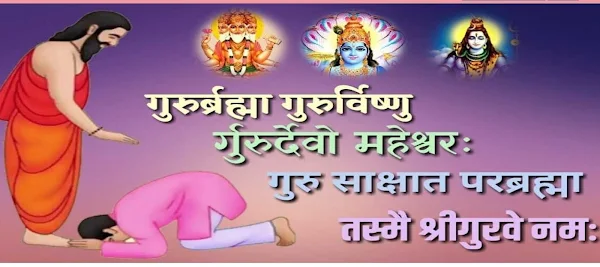
Gurur Brahmā Gurur Viṣṇur Gurur devo Maheśvaraḥ Guruḥ sākṣāt paraṁ Brahma tasmai śrī gurave namaḥ
Guru Purnima 2023

Flags

Flag Counter